The Ten Step Guide: How to Live the Ten Commandments Today
A Bible-Based Discipleship Tool for Every Believer

✝️ COMMANDMENT ONE
“Thou shalt have no other gods before me.”
— Exodus 20:3 (KJV)
1. Why This Still Matters Today
This commandment calls us to give God first place in our lives. In today’s world, we may not bow to golden idols, but we often place success, money, relationships, or even ourselves above God.
God doesn’t want to be part of your life — He wants to be your life.
2. Supporting Scripture
- Deuteronomy 6:5
- Matthew 22:37
- 1 John 5:21
- Matthew 6:33
3. How to Keep This Commandment
- Start your day with God before anything else
- Make decisions through prayer and biblical wisdom
- Remove anything that competes for your heart
- Let your lifestyle honor God above all else
4. Check Your Walk
- What do I rely on more than God?
- What receives my best time and energy?
- What is my heart most focused on?
5. Prayer
“Lord, I want You to be first in my life. Reveal any idols I’ve made and give me the strength to remove them. I want to love You above all else.”
6. Journal Prompt
What competes with God for first place in your heart?
✝️ COMMANDMENT TWO
“Thou shalt not make unto thee any graven image…”
— Exodus 20:4–5 (KJV)
1. Why This Still Matters Today
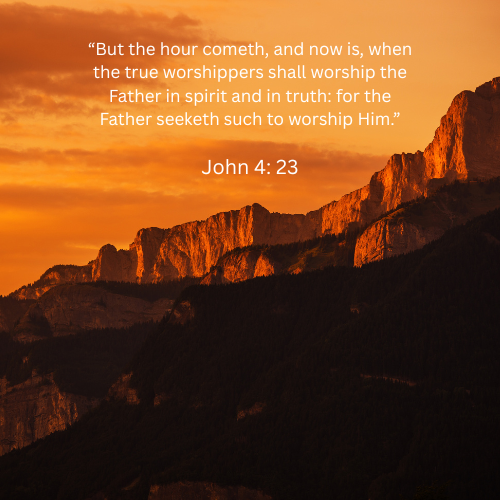
This commandment isn’t just about statues — it’s about misrepresenting who God is. People today often reshape God to fit personal preferences. But we must worship God in truth.
2. Supporting Scripture
- Isaiah 42:8
- John 4:24
- Romans 1:22–23
- 2 Corinthians 10:5
3. How to Keep This Commandment
- Let Scripture shape your view of God
- Don’t manipulate others by claiming “God said”
- Worship with reverence, not performance
- Reject cultural or convenient versions of God
4. Check Your Walk
- Have I created a version of God that suits me?
- Am I willing to worship God as He is, not as I want Him to be?
5. Prayer
“Father, I surrender every false idea I’ve had about You. Reveal Your true character to me and help me worship You in spirit and truth.”
6. Journal Prompt
What image or assumption about God needs to be corrected?
✝️ COMMANDMENT THREE
“Thou shalt not take the name of the Lord thy God in vain…”
— Exodus 20:7 (KJV)
1. Why This Still Matters Today
Misusing God’s name includes more than just profanity. It also means using His name lightly, without honor, or falsely representing Him.
2. Supporting Scripture
- Leviticus 19:12
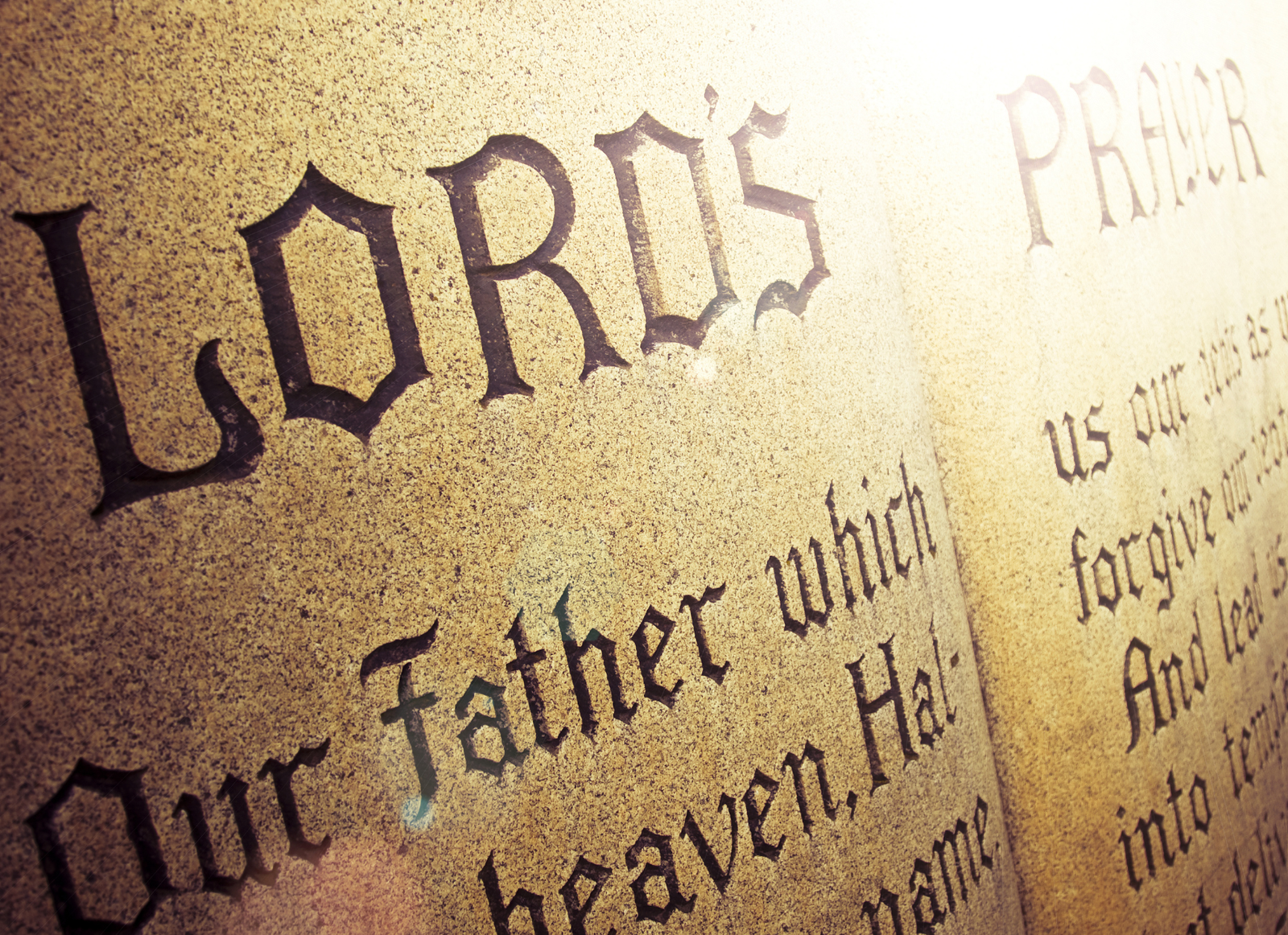
- Matthew 6:9
- James 3:10
- 2 Timothy 2:19
3. How to Keep This Commandment
- Speak God’s name with reverence and meaning
- Don’t use His name in oaths or jokes
- Let your life reflect the holiness of His name
- Avoid using “God said” without true spiritual clarity
4. Check Your Walk
- Do I use God’s name with awe and respect?
- Do my actions reflect the God I represent?
5. Prayer
“Lord, forgive me for every careless use of Your name. Teach me to honor You with my words and my walk.”
6. Journal Prompt
How can I better honor God’s name in everyday life?
✝️ COMMANDMENT FOUR
“Remember the sabbath day, to keep it holy.”
— Exodus 20:8–11 (KJV)
1. Why This Still Matters Today
Sabbath is God’s built-in rhythm of rest and worship. It reminds us that God is our source and that life is more than endless work.
2. Supporting Scripture
- Genesis 2: 2-3
- Exodus 20: 8-11
- Mark 2:27
- Isaiah 58:13–14
- Hebrews 4:9–10
3. How to Keep This Commandment
- Set apart time for rest and worship weekly revering the true Sabbath on the 7th day of the week which is Saturday.
- Avoid servile work and business as usual i.e., buying and selling or unnecessary distraction.
- Use the day to reset spiritually, fellowship with The Most High and other believers and refocus on God.
4. Check Your Walk
- Do I honor rest, or glorify busyness?
- Do I trust God enough to pause and when he commands?
5. Prayer
“Lord, thank You for the gift of Sabbath. Teach me to pause and draw near to You.”
6. Journal Prompt
What would it look like for you to truly rest in God?

✝️ COMMANDMENT FIVE
“Honour thy father and thy mother…”
— Exodus 20:12 (KJV)
1. Why This Still Matters Today
Honoring our parents reflects how we honor God’s authority. It sets the tone for respect, family unity, and generational blessing.
2. Supporting Scripture
- Ephesians 6:1–3
- Proverbs 1:8–9
- Colossians 3:20
3. How to Keep This Commandment
- Speak respectfully to and about your parents
- Show gratitude even when it’s difficult
- Pray for healing if your relationship is broken
4. Check Your Walk
- Do I treat my parents with honor?
- What areas need forgiveness or healing?
5. Prayer
“Lord, teach me to honor those You’ve placed in my life, starting with my parents. Give me grace where it’s hard.”
6. Journal Prompt
In what ways can I show more honor in my family relationships?
✝️ COMMANDMENT SIX
“Thou shalt not kill.”
— Exodus 20:13 (KJV)
1. Why This Still Matters Today
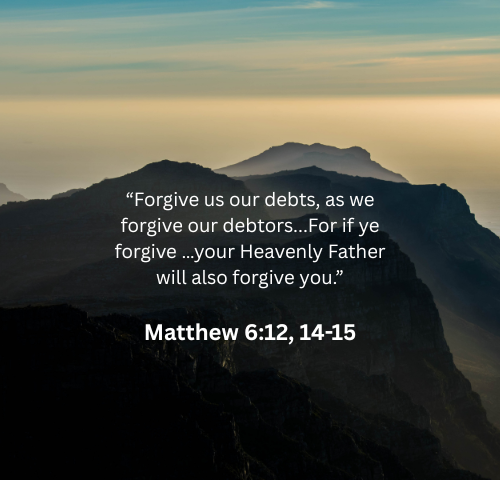
This commandment protects the sacredness of life. Jesus showed us that it’s not just about murder — it’s about harboring anger, hate, or unforgiveness in the heart.
2. Supporting Scripture
- Matthew 5:21–22
- 1 John 3:15
- Romans 12:19
3. How to Keep This Commandment
- Forgive quickly and honestly
- Avoid harsh words or thoughts
- Choose peace and pursue reconciliation
4. Check Your Walk
- Is there bitterness or anger I’m holding onto?
- Do I honor the lives of others with my words?
5. Prayer
“Lord, cleanse my heart of anger and hatred. Help me walk in love and peace, as You have called me to.”
6. Journal Prompt
Who do I need to forgive or seek peace with today?
✝️ COMMANDMENT SEVEN
“Thou shalt not commit adultery.”
— Exodus 20:14 (KJV)
1. Why This Still Matters Today
This commandment calls us to purity and covenant faithfulness. It reminds us that our bodies and hearts belong to God first, and that faithfulness honors Him.
2. Supporting Scripture
- Matthew 5:27–28
- Hebrews 13:4
- 1 Corinthians 6:18–20
3. How to Keep This Commandment
- Guard your heart and mind
- Maintain godly boundaries in relationships
- Treat others with respect and dignity
4. Check Your Walk
- Are my thoughts and actions pure?
- Am I guarding my heart and honoring others?
5. Prayer
“Lord, give me a clean heart and a faithful spirit. Teach me to love with integrity and purity.”
6. Journal Prompt
What boundaries or habits could help protect your heart?
✝️ COMMANDMENT EIGHT
“Thou shalt not steal.”
— Exodus 20:15 (KJV)
1. Why This Still Matters Today
God values integrity. Stealing includes not just physical things, but also time, credit, ideas, and trust.
2. Supporting Scripture
- Ephesians 4:28
- Proverbs 11:1
- Luke 16:10
3. How to Keep This Commandment
- Be honest in all things
- Return what’s not yours
- Practice generosity and stewardship
4. Check Your Walk
- Do I take more than I give?
- Do I cut corners or justify dishonesty?
5. Prayer
“Lord, make me trustworthy in the small things. Help me to live with integrity in all I do.”
6. Journal Prompt
Is there anything I need to make right or return?

✝️ COMMANDMENT NINE
“Thou shalt not bear false witness…”
— Exodus 20:16 (KJV)
1. Why This Still Matters Today
God is truth. This commandment reminds us that lies, gossip, and slander harm others and dishonor Him.
2. Supporting Scripture
- Proverbs 6:16–19
- Ephesians 4:25
- Colossians 3:9
3. How to Keep This Commandment
- Speak truth in love
- Refuse to gossip or exaggerate
- Defend others’ reputations
4. Check Your Walk
- Are my words honest and edifying?
- Do I speak truth even when it’s hard?
5. Prayer
“God of truth, help me to speak with honesty and love. Let my words reflect Your character.”
6. Journal Prompt
Have I used words to harm, twist, or mislead?

✝️ COMMANDMENT TEN
“Thou shalt not covet…”
— Exodus 20:17 (KJV)
1. Why This Still Matters Today
Coveting breeds discontent and resentment. It shifts our focus away from God’s provision and poisons our relationships.
2. Supporting Scripture
- Luke 12:15
- Philippians 4:11–13
- James 4:2–3
3. How to Keep This Commandment
- Practice gratitude daily
- Celebrate others’ blessings
- Focus on God’s promises, not comparisons
4. Check Your Walk
- Am I jealous or content?
- Do I resent others’ success?
5. Prayer
“Lord, teach me to be content with all You’ve given me. Help me trust You for everything I need.”
6. Journal Prompt
What is something you can thank God for today?